
How to Choose the Best Construction Cleanup Service: Reliable Solutions for Post-Construction Debris Removal and Site Preparation

Choosing the right construction cleanup service helps move a project from completion to occupancy safely and quickly. This guide summarizes the core criteria to evaluate providers, efficient debris-removal approaches, site-preparation best practices, and what professional cleanup typically includes so you can make a practical decision.
Criteria for Reliability
Key indicators of a reliable cleanup provider focus on experience, customer feedback, trained personnel, and safety coverage.
- Experience and Specialization: Proven track record with post-construction sites.
- Customer Reviews: Positive client feedback and consistent ratings.
- Trained Staff: Crew trained in safety protocols and effective techniques.
- Insurance and Safety Compliance: Liability insurance and adherence to regulations.
Use these criteria as a quick filter when comparing companies.
Effective Solutions for Post-Construction Debris Removal
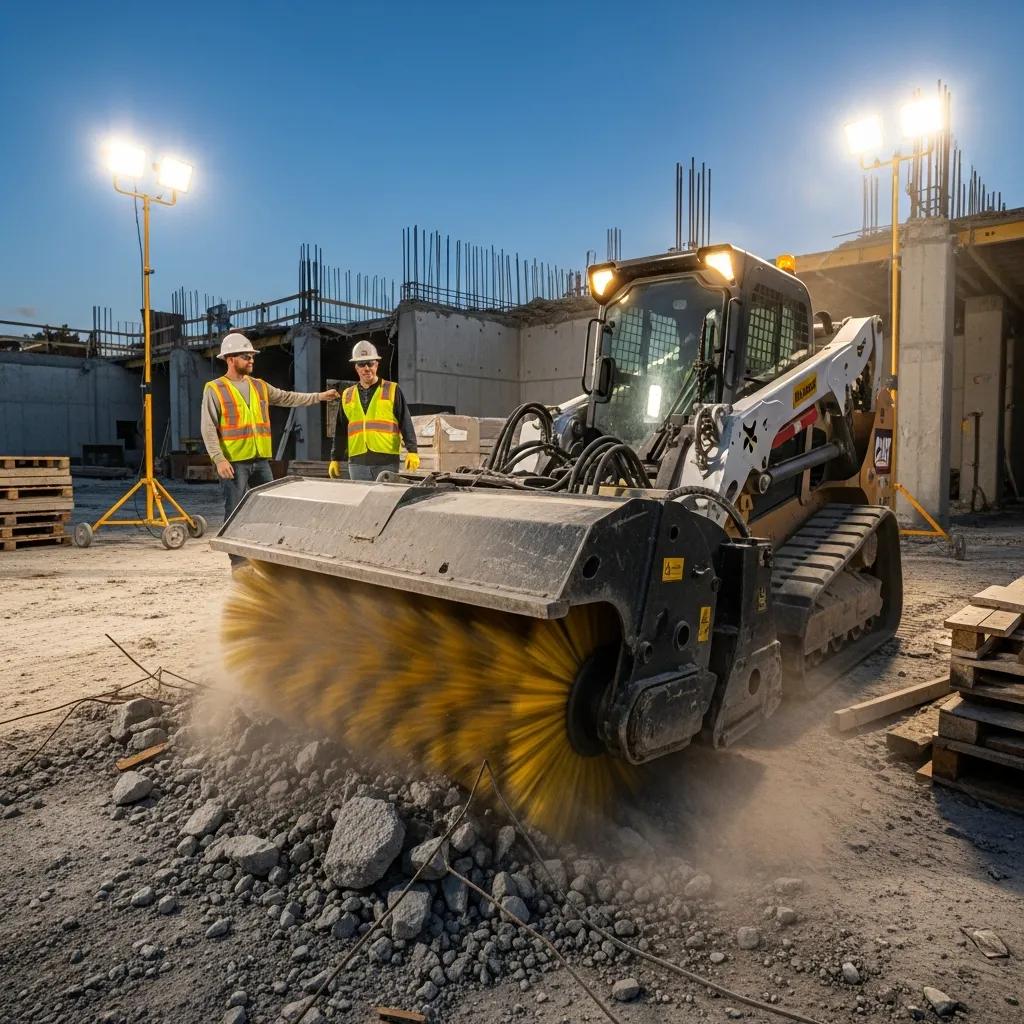
Effective debris removal combines scope, equipment, and attention to detail to clear both interior and exterior areas.
- Comprehensive Cleaning Services: Interior and exterior cleanup options.
- Specialized Equipment: Tools and machinery that speed up removal.
- Attention to Detail: Thorough removal of dust and small debris.
- Faster Project Turnarounds: Efficient service reduces time to occupancy.
For example, The Cleaning Brigade highlights reliability and offers free estimates to compare value.
Best Practices for Site Preparation
Preparing the site before the cleanup crew arrives makes the process faster and safer.
- Declutter Spaces: Remove unneeded items to improve access.
- Secure Valuables: Store valuables to prevent damage.
- Communicate Specific Needs: Flag areas that need special attention.
- Provide Access: Ensure crews can reach all work areas.
Simple preparation saves time and reduces the risk of rework.
What Does Professional Construction Cleanup Include?
Professional cleanup readies a site through debris removal, detailed surface cleaning, and final touch-ups to prepare for occupancy.
- Dust and Debris Removal: Remove waste, dust, and leftover materials.
- Detailing: Clean fixtures, surfaces, and fittings thoroughly.
- Final Preparations: Final inspections, touch-ups, and readiness checks.
These services ensure the site is safe and presentable for occupants.
Which Factors Determine the Best Construction Cleanup Company?
Compare service quality, pricing, client feedback, and industry experience to find the best match for your project.
- Service Quality: Thoroughness and consistency of results.
- Pricing: Clear, comparable pricing structures.
- Customer Reviews: Testimonials and ratings from past clients.
- Industry Experience: Experience handling similar project types.
Balance these factors based on your budget and timeline.
Evaluating Reliability, Expertise, and Tailored Service Options
Confirm licensing and credentials, request references, and review company policies before hiring.
- Check for Licensing and Insurance: Verify legal and insurance status.
- Look for Industry Certifications: Certifications indicate standards adherence.
- Request References: Ask past clients about reliability and results.
- Review Company Policies: Understand safety, guarantees, and complaint handling.
These checks help you choose a provider aligned with project needs.
How to Verify Credentials and Customer Satisfaction
Use public reviews, ratings, testimonials, and the company’s complaint response record to assess reputation.
- Read Online Reviews: Check Google, Yelp, and similar platforms.
- Check Ratings: Look for consistent high scores and trends.
- Look for Testimonials: Client stories on the company site can be informative.
- Evaluate Response to Complaints: Timely, transparent responses indicate good customer care.
Combining these sources gives a practical sense of performance and reliability.
What Are the Typical Costs and Pricing Factors for Construction Site Cleaning?
Pricing varies with service scope, property size, frequency, and special requirements.
- Service Type: One-time vs. full post-construction clean.
- Home Size: Larger sites require more time and resources.
- Frequency of Service: Regular contracts can lower per-visit cost.
- Specific Needs: Hazardous materials or special treatments add cost.
The Cleaning Brigade positions its pricing as competitive and transparent.
How Free Estimates Help You Compare Service Value
Obtain written estimates to compare inclusions, fees, and timelines before deciding.
- Understanding Service Inclusions: Confirm what tasks are included.
- Avoiding Hidden Fees: Look for clear line-item pricing.
- Comparing Different Services: Use multiple estimates to find the best fit.
Free estimates make comparisons straightforward and reduce surprises.
How Do Environmental and Safety Considerations Impact Construction Cleanup?
Safety and environmental choices affect methods, materials, and regulatory compliance.
- OSHA Compliance: Required for worker safety.
- Health and Safety Standards: Protect workers and occupants.
- Use of Eco-Friendly Products: Minimizes environmental impact.
Prioritize providers that meet safety standards and use sustainable products where possible.
Eco-Friendly Construction Waste Disposal Methods

Adopt reuse, recycling, and low-impact cleaning products to reduce environmental harm during disposal.
- Biodegradable Cleaning Products: Reduce chemical runoff.
- Non-Toxic Solutions: Safer for workers and surroundings.
- Minimized Water Usage: Conserve water during cleaning.
- Proper Waste Segregation: Separate recyclables from general waste.
Eco-friendly practices improve sustainability without compromising cleanliness.
Ensuring Compliance with Safety Standards During Cleanup
Follow regulations, train staff, and document procedures to maintain a safe cleanup process.
- Adherence to Regulations: Follow relevant laws and guidelines.
- Use of Trained Staff: Ensure crews understand safety protocols.
- Regular Inspections: Identify and fix hazards promptly.
- Documentation of Training: Keep records to demonstrate compliance.
Consistent safety practices reduce incidents and liability.
For a spotless site, consider the comprehensive house cleaning services offered by The Cleaning Brigade.
Frequently Asked Questions
What should I look for in a construction cleanup service contract?
Confirm scope, timelines, pricing, liability, insurance, and any satisfaction guarantees. A clear contract sets expectations and limits disputes.
How can I prepare my construction site before the cleanup crew arrives?
Declutter, secure valuables, note priority areas, and provide unobstructed access to speed up cleaning and reduce costs.
Are there specific cleaning products that should be used for construction cleanup?
Use non-toxic, biodegradable cleaners when possible; special solvents may be needed for stubborn residues but should meet safety guidelines.
How long does a typical construction cleanup take?
Duration depends on site size and debris volume: a few hours for small residential projects, days for large commercial sites. Confirm timelines with the provider.
What are the benefits of hiring a professional construction cleanup service?
Professionals provide safety-compliant, efficient debris removal with specialized equipment and thorough detailing, saving time and reducing risk.
Can I schedule regular cleanup services for ongoing construction projects?
Yes. Recurring cleanings keep sites organized and safer during construction; coordinate frequency with your contractor and cleaner.
What should I do if I’m not satisfied with the cleanup results?
Contact the provider promptly, reference the service agreement, and request corrective action—re-cleaning or other remedies per the contract.
Conclusion
Selecting a qualified construction cleanup service reduces delays, enhances safety, and improves presentation at handover. Use the criteria and checks outlined here to compare providers, request clear estimates, and choose the service that best fits your project needs.